

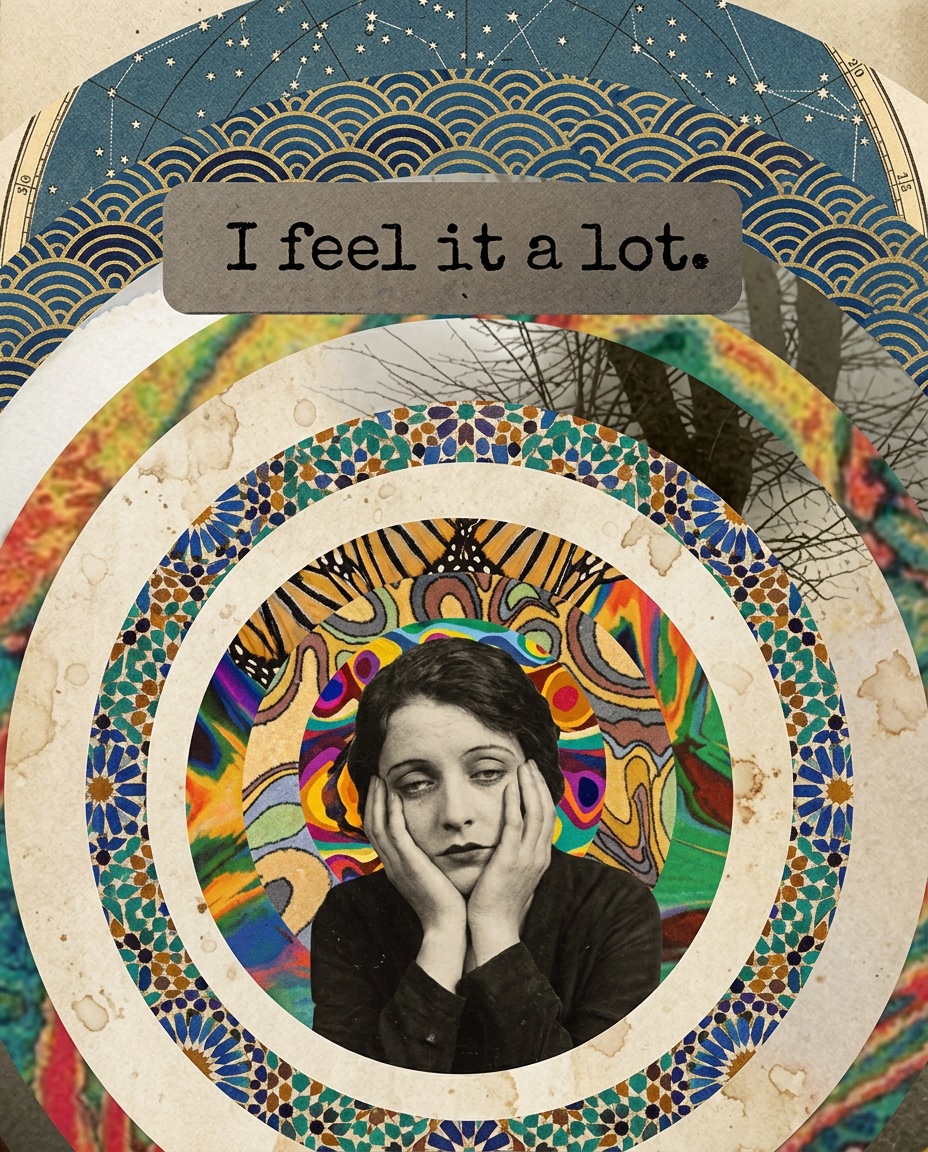
Many clients express a desire to eliminate difficult emotions: “I just want to stop feeling anxious,” or “I wish I could turn off my sadness.” While understandable, our emotions—even challenging ones—are core to our humanity.
Why Emotions Matter
Emotions aren’t glitches—they’re sophisticated signaling systems. Fear alerts us to threats. Sadness connects us to what we’ve lost. Anger mobilizes us when boundaries are crossed. Joy guides us toward what nourishes us. Each emotion carries vital information that helps us navigate life effectively.
The Problem with Avoidance
When we suppress emotions—”toughen up” or “look on the bright side”—we don’t eliminate them but drive them underground where they intensify. Suppressed sadness emerges as irritability. Denied anger manifests as passive-aggression or physical tension.
Emotional Intelligence in Practice
Working with our emotions means developing a curious relationship with our feelings through:
- Recognition: Naming what we feel
- Validation: Acknowledging all emotions as legitimate
- Understanding: Discovering what our emotions reveal about our needs
- Integration: Using emotional insights to inform choices
When we embrace our emotional nature, we gain authenticity, resilience, deeper connections, and wisdom.
Quick Practice
Next time you notice an emotion:
- Name it simply
- Locate it in your body
- Take three breaths with the sensation
- Ask: “What is this feeling telling me about what matters?”
Our emotions make us human. Rather than fighting them, we can welcome them as messengers connecting us more deeply to ourselves and others.
What emotion might have something important to tell you today?

Hi, this is a comment.
To get started with moderating, editing, and deleting comments, please visit the Comments screen in the dashboard.
Commenter avatars come from Gravatar.